Remote, rugged, raw – the Faroe Islands have been on my travel bucket list for a while and this last september week I took the chance to explore them. Here’s what to do and see to make the most out of an 8-day roadtrip on the islands.
A week on Faroe Islands in late september: As it turns out it was the perfect time to go. Just off-season enough to have most of the trails to myself, but not too off-season for weather being too rough to explore. Two heads-ups in advance though:
- Expect some storms. And very wet rain. It will make for beautifully moody pictures but might also mean that you won’t make all the hikes on your list, but will need to be able to enjoy some downtime with a book as well.
- The puffins will be gone for the winter by then. If you come to Faroe for puffin-sighting, come in August at the latest!
That being said, I found late september to be the perfect time to explore the islands slowly and experience their remoteness and quietness without the hustle of tourist-high-season.
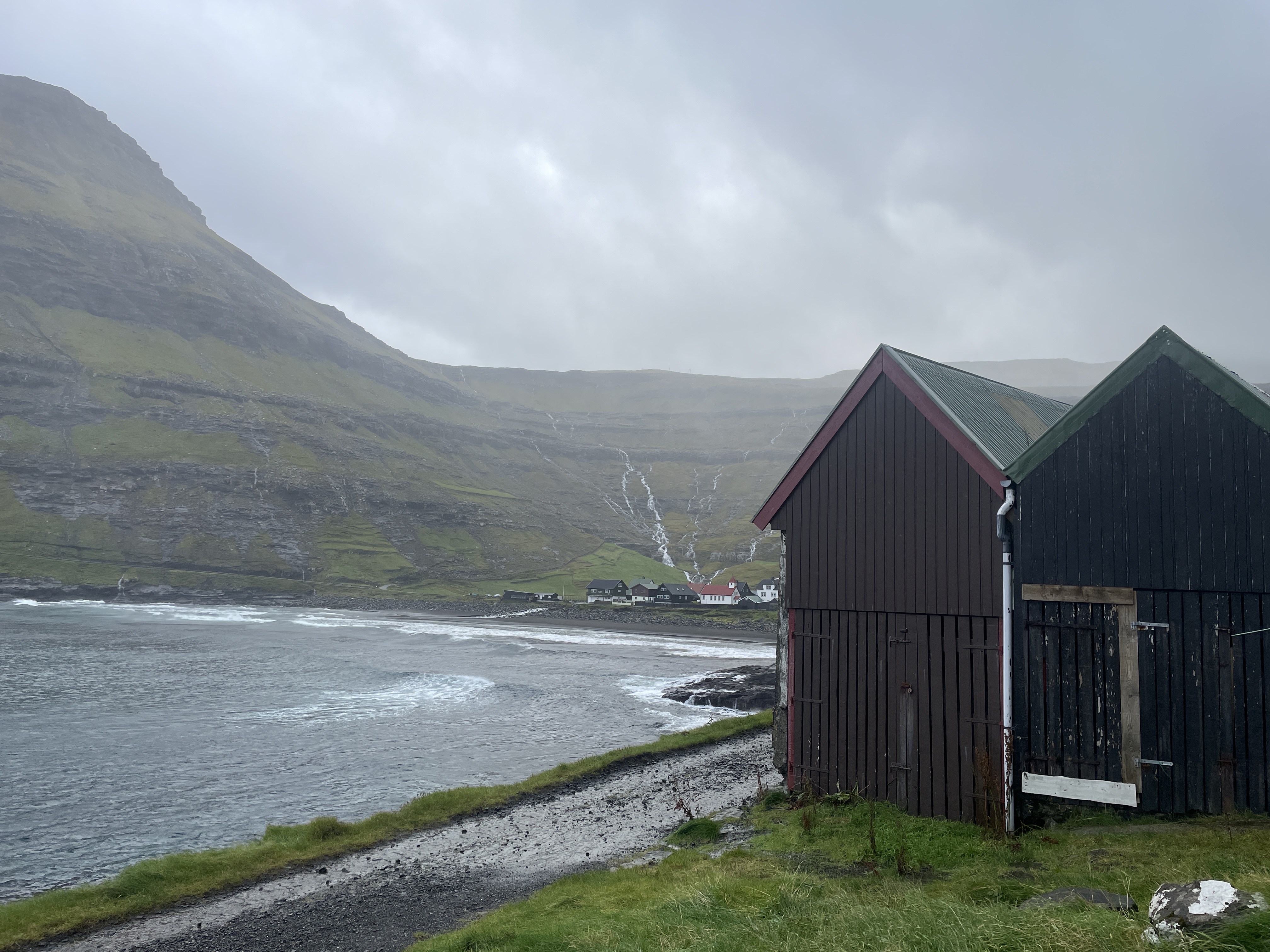
Day 1-3: Vágar
If you arrive by plane, you’ll land on the island of Vágar. As it turns out, some of the most iconic sights of Faroe Islands are located on this island as well, so instead of speeding off to Tórshavn I got accomodation close to the airport and explored this island first.
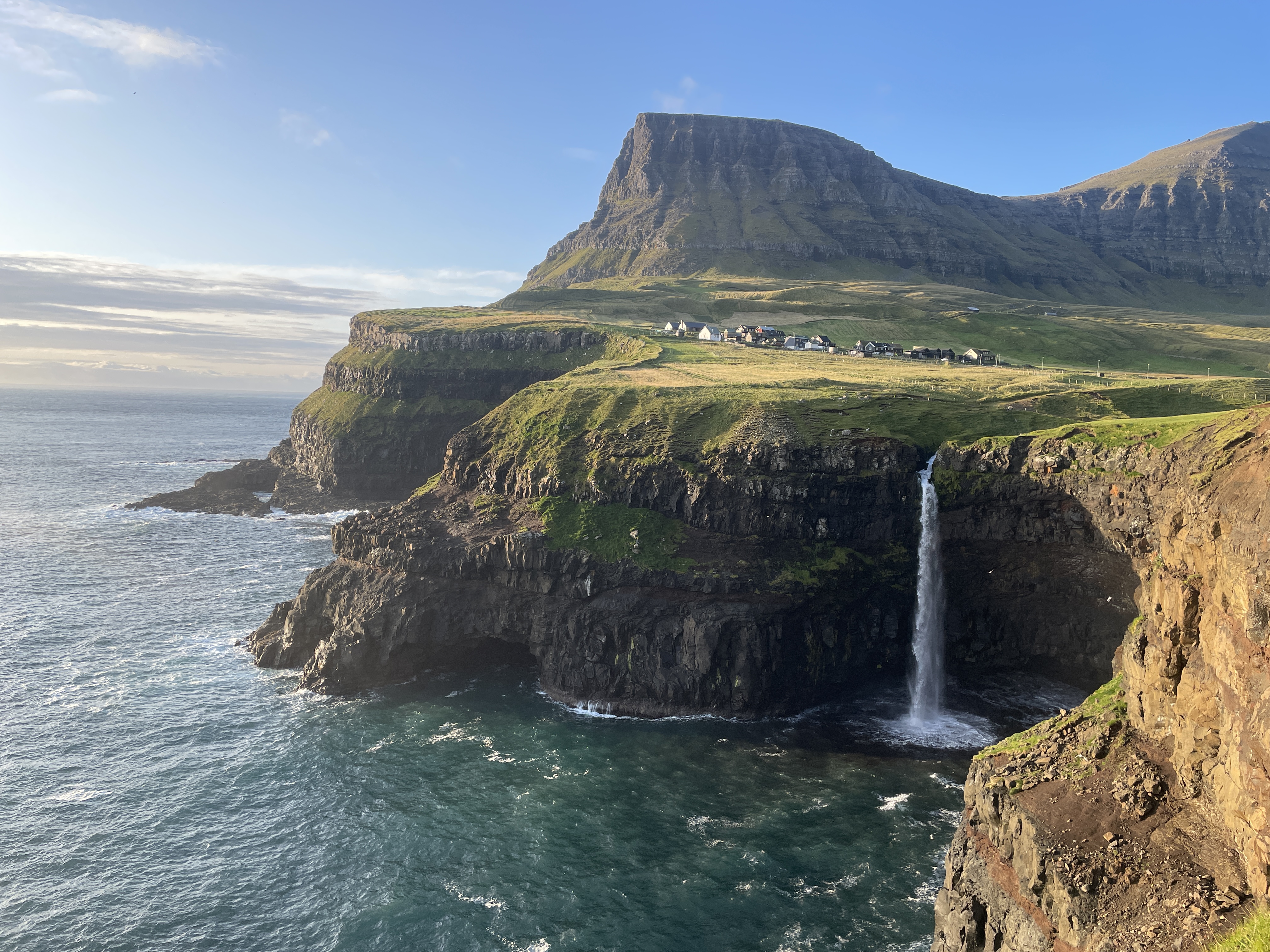
Hike 1: Múlafossur. A short hike to the viewpoint allows you to see the waterfall thundering into the ocean up close. Hiking further up the cliffs offers some of the most beautiful views over the valley surrounding the village Gásadalur and the North Atlantic ocean.
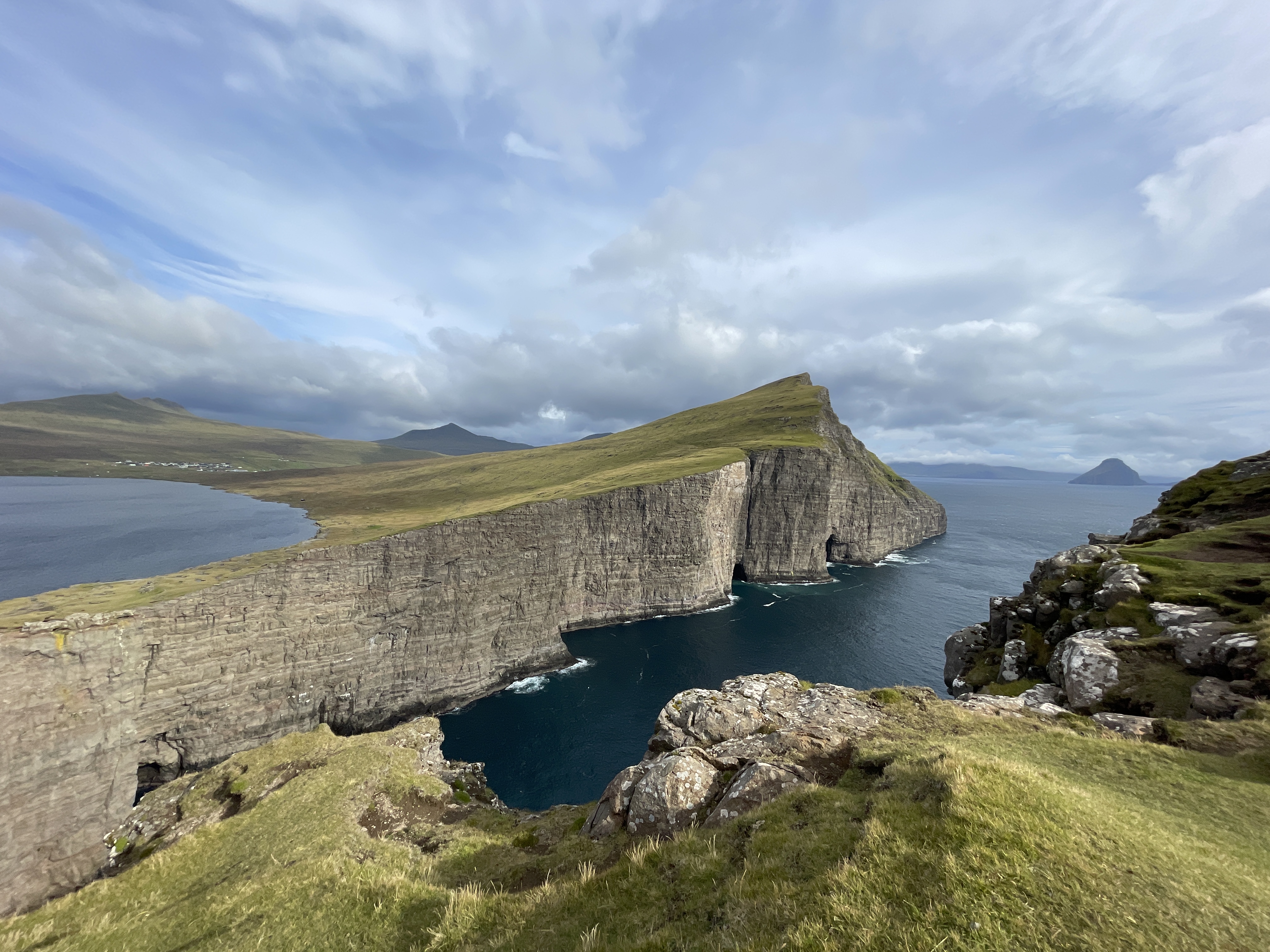
Hike 2: Floating Lake (Leitisvatn, Trælanípa cliffs and Bøsdalafossur). Hike from the village of Miðvágur to two viewpoints on the cliffs for best views of the lake floating above the ocean. The startpoint of the hike is a small café (restrooms available), where a fee of approx 20 Euros has to be payed. It takes approximately 1 hour to reach the cliffs.
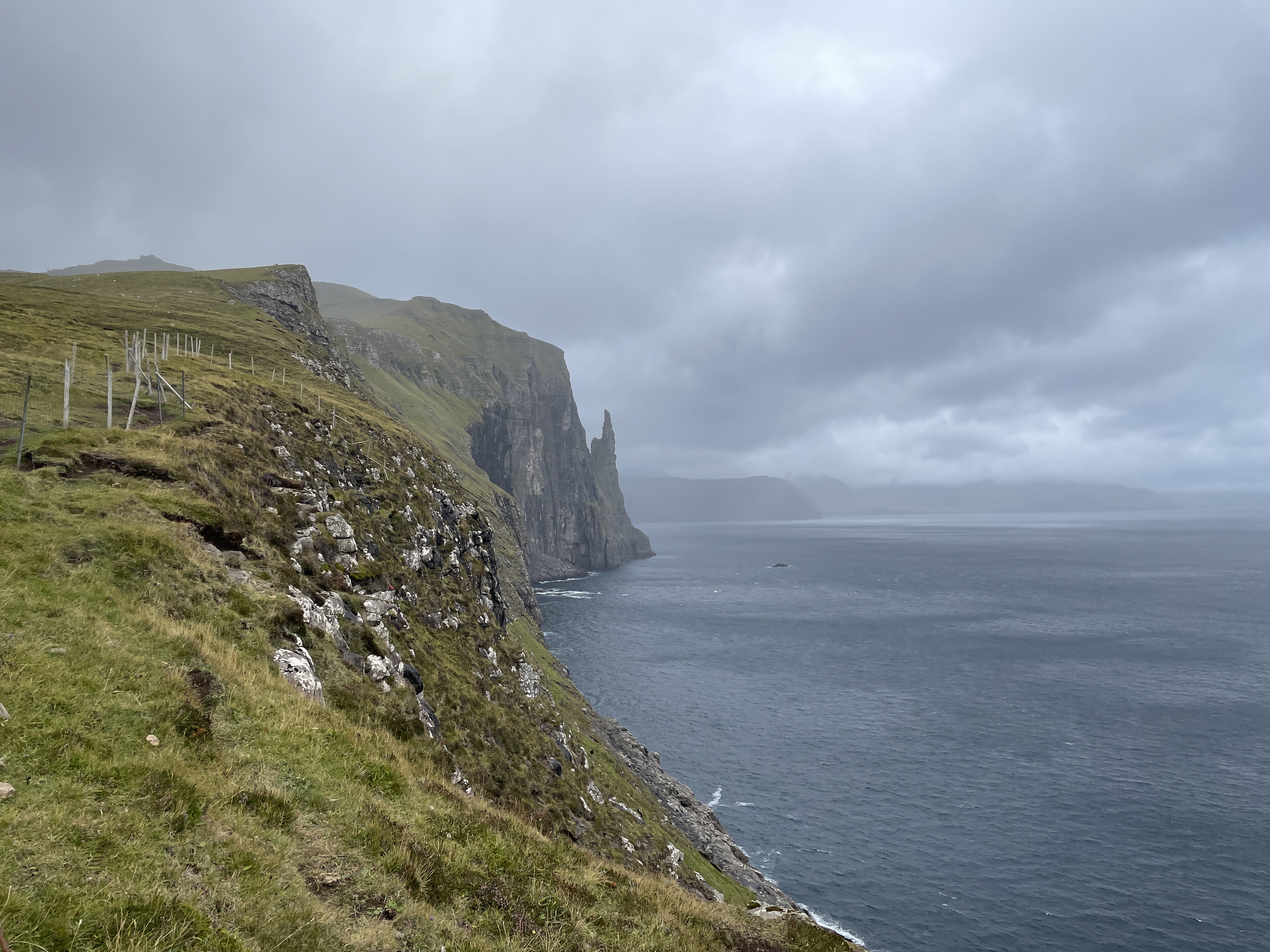
Hike 3: Trollkønufingur. A short hike on a partly paved trail to a viewpoint where you get great views of this 300 meters tall spire in the sea.
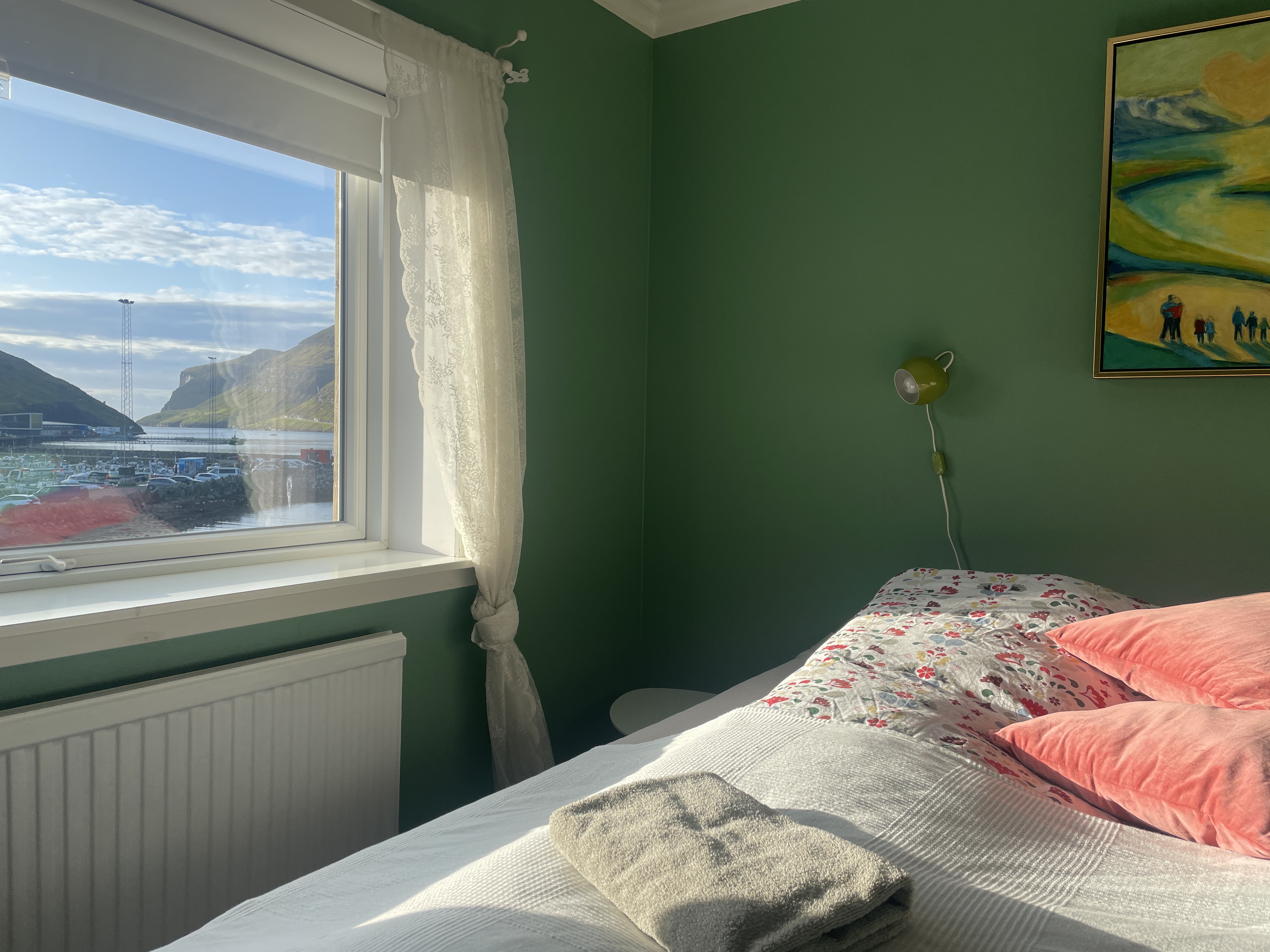
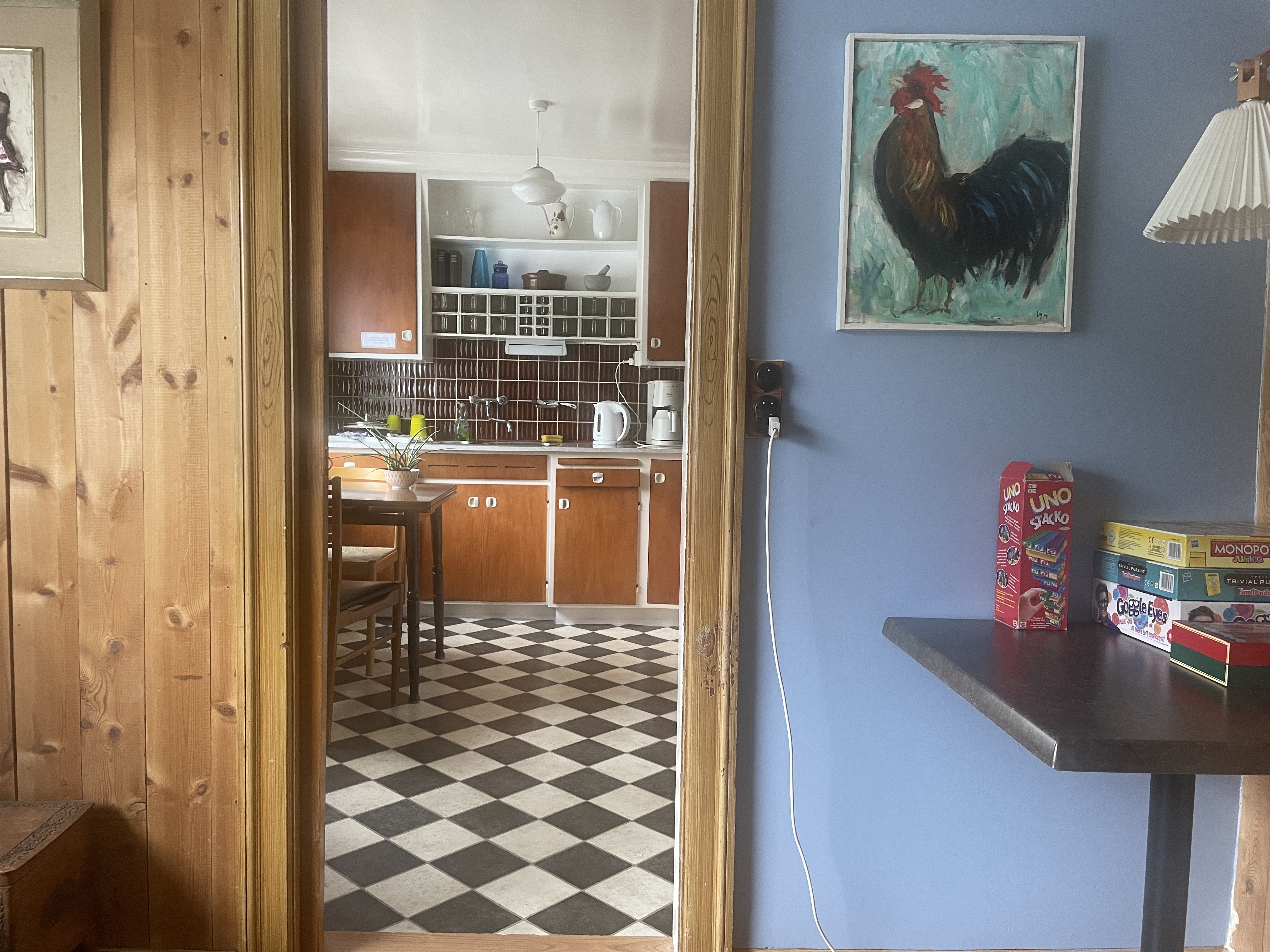
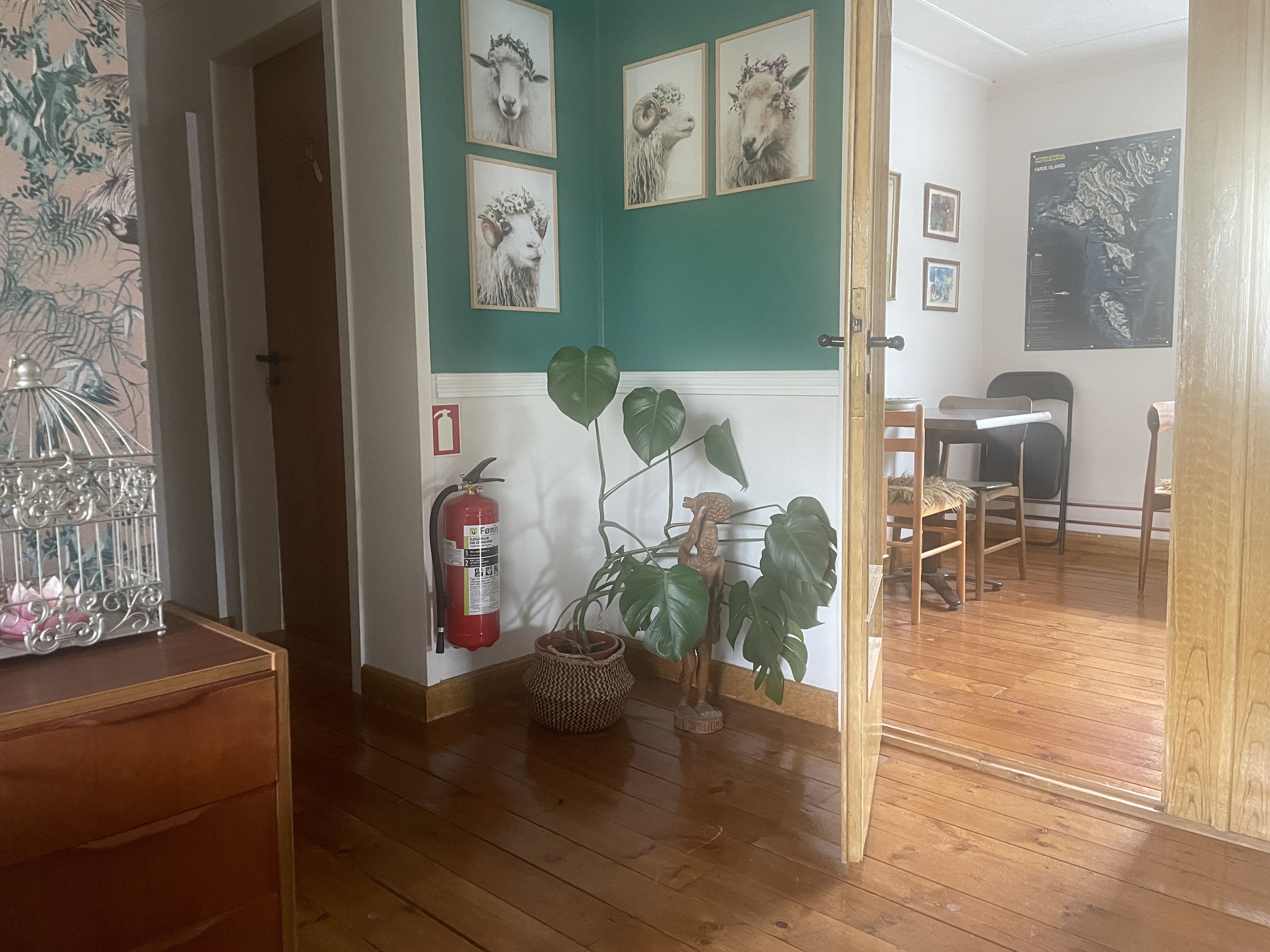
Stay: There is a hostel on Vagar for those on a budget. For me the hostel was too basic and gruff though to be honest. So I based myself in the very lovely Hugo Guesthouse (shared bathroom. kitchen and guest lounge available).
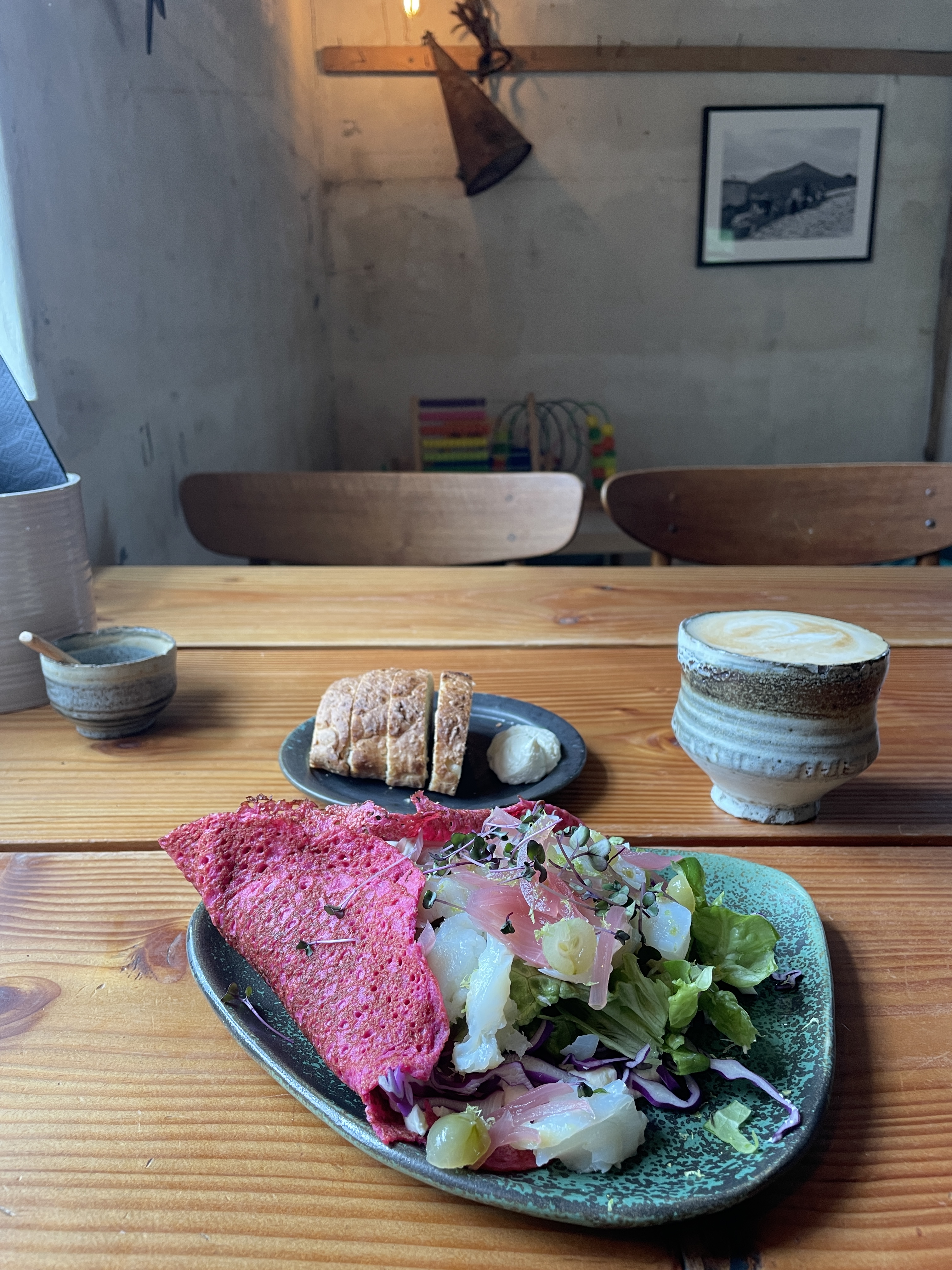
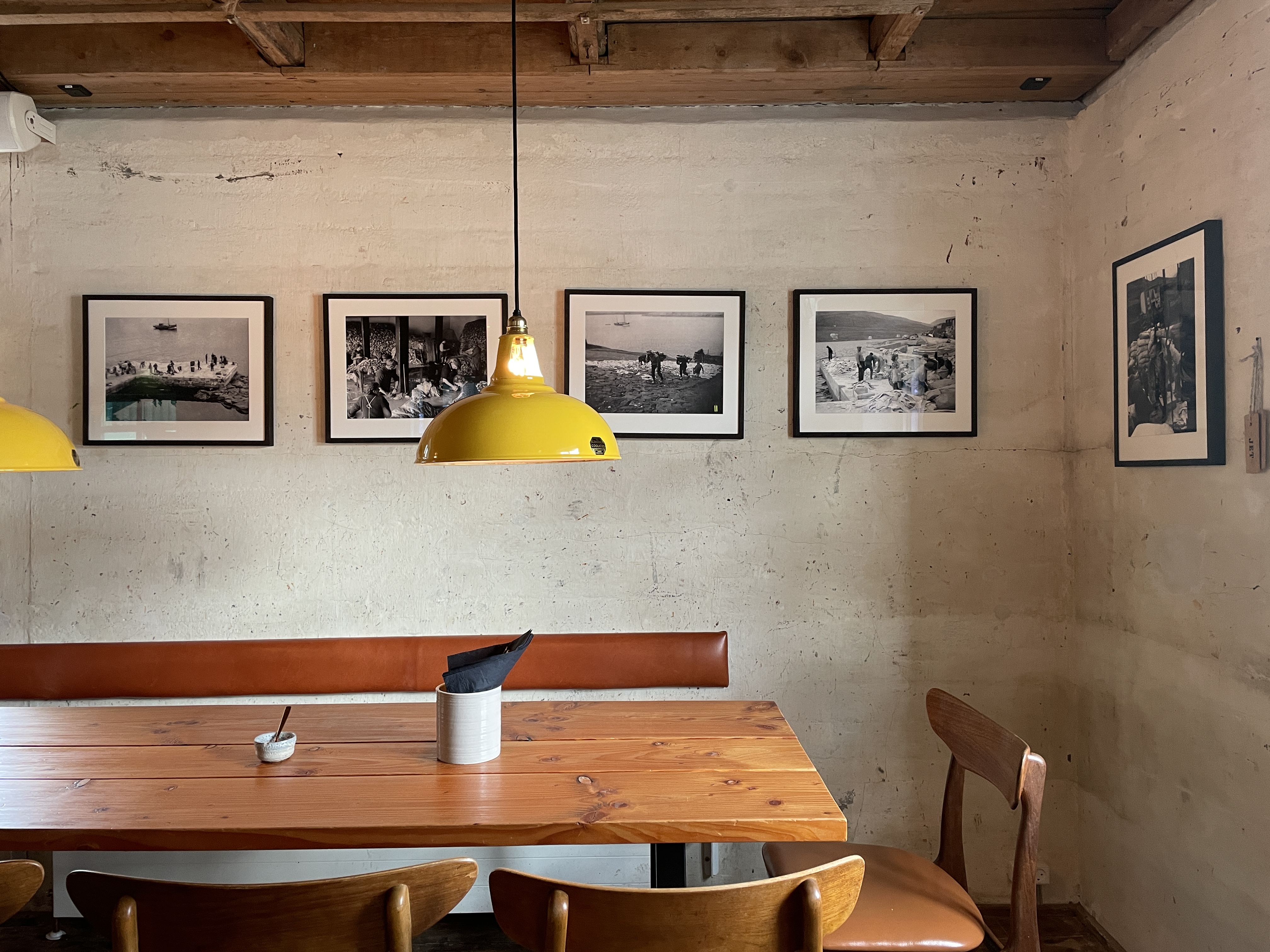
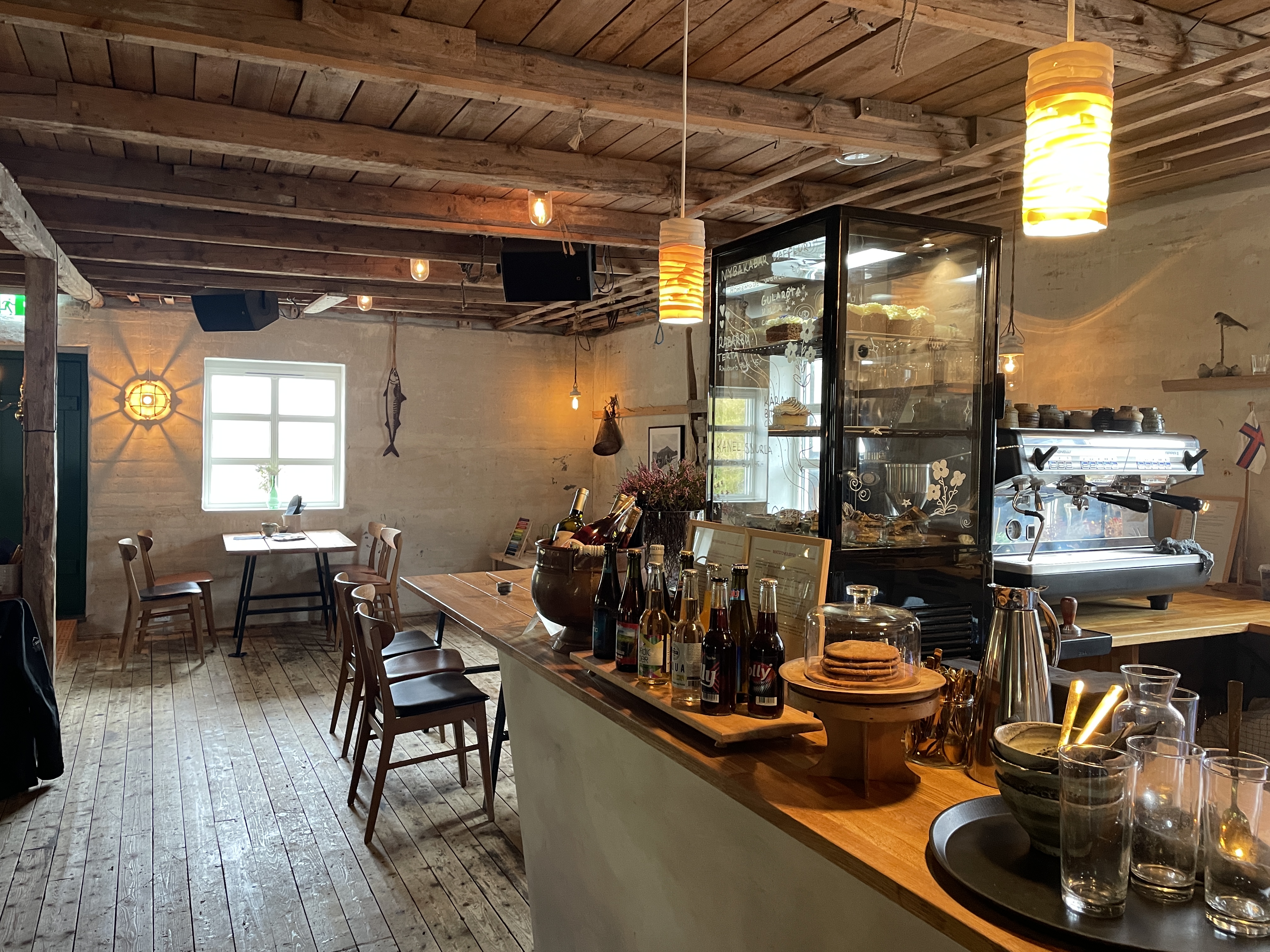
Eat: Cafe Fiskastykkið is lovely and cosy, has great coffe (oat milk available) and a very good food menue. It is very fish-centered, but there is one vegan option available.
Day 4-6: Eysturoy
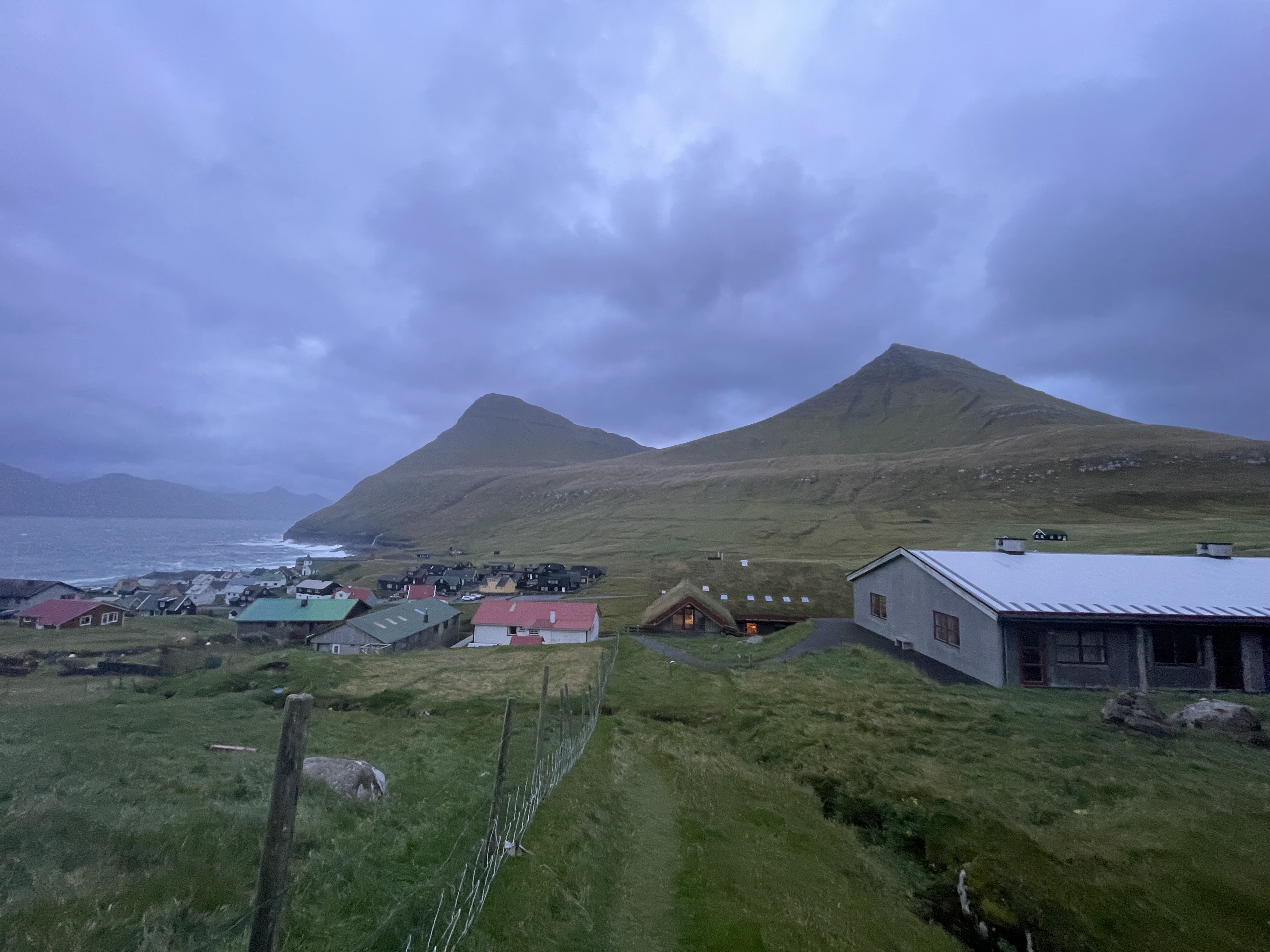
Next up was a drive to the very remote northern corner of Eysturoy Island. Since by then the first storm of the season hit, it was a rather adventurous drive through a lot of rain and reaching my final destination Gjógv felt like having arrived at the end of the world. I took the next two days to explore the island and also the adjacent northern islands. Due to the weather remaining very rainy I mostly did sightseeing drives and not so much walking. Still a few highlights to point out:
Hike 1: Gjógv cliffs. Starting near the harbour or from the guesthouse, you hike up a steep mountain slope that on the other side drops down as very steep cliffs and offers great views. Approx 30 minutes one way, a small fee is required.
Hike 2: Slættaratindur peak. An easy hike and scramble up to the peak at 882 meters offering amazing views. Approx 1 hour one way.
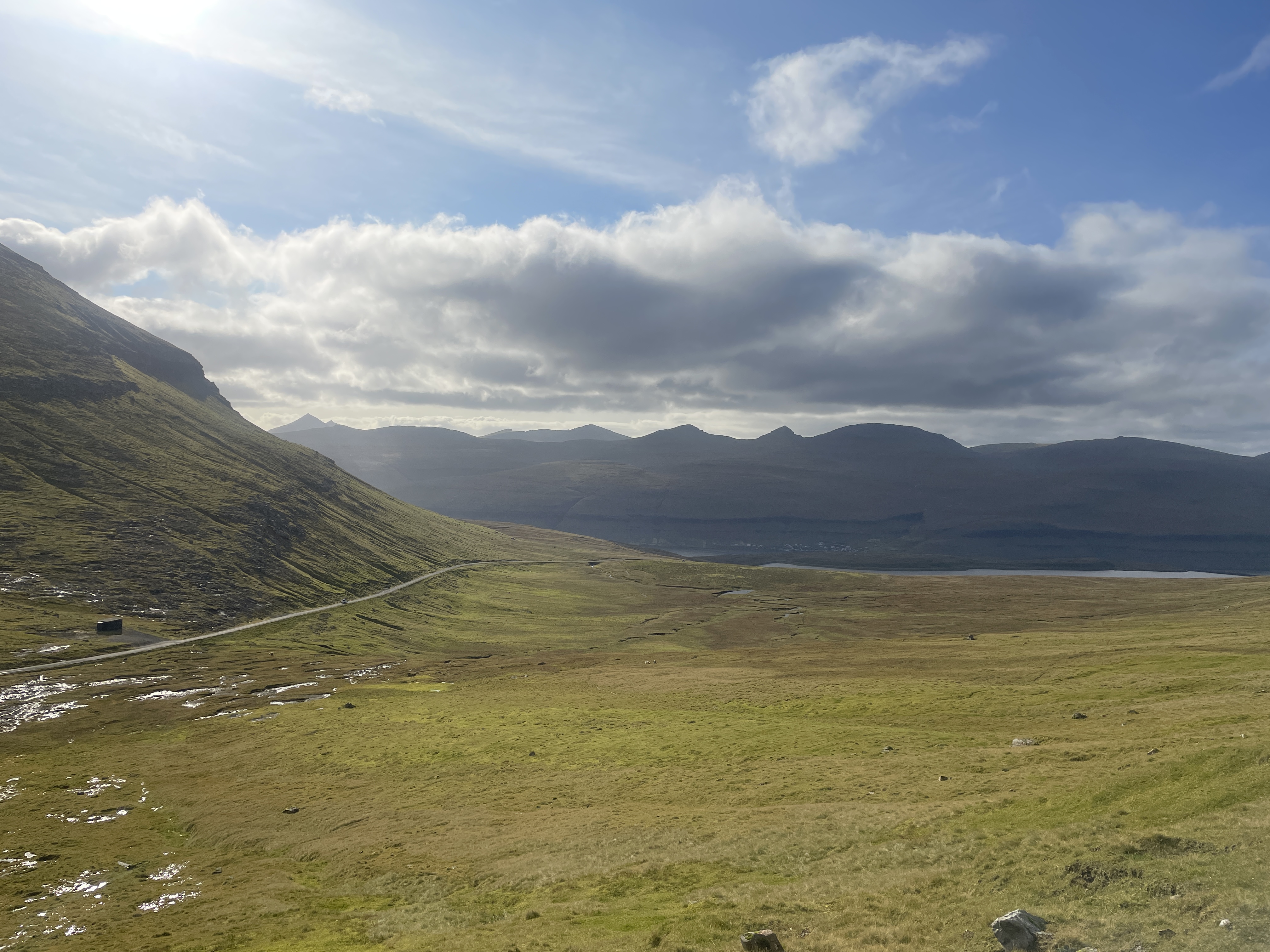
Hike 3: Fuglafjørður – Hellurnar. Climbing over a hill range of 483meters to get from one harbour-village to another, using the historic village path. The hike takes approximately 2 hours (one way). If you only do one way I suggest ending the hike in Fuglafjørður, since the lovely village offers some cute shops and cafés to explore. Another option would be to only hike halfway up to the summit and back down again.
Sight 1: Soccerfield in Eiði. Nestled between steep mountain slopes and the thundering ocean, the soccer field starkly contrasts the wild landscape.
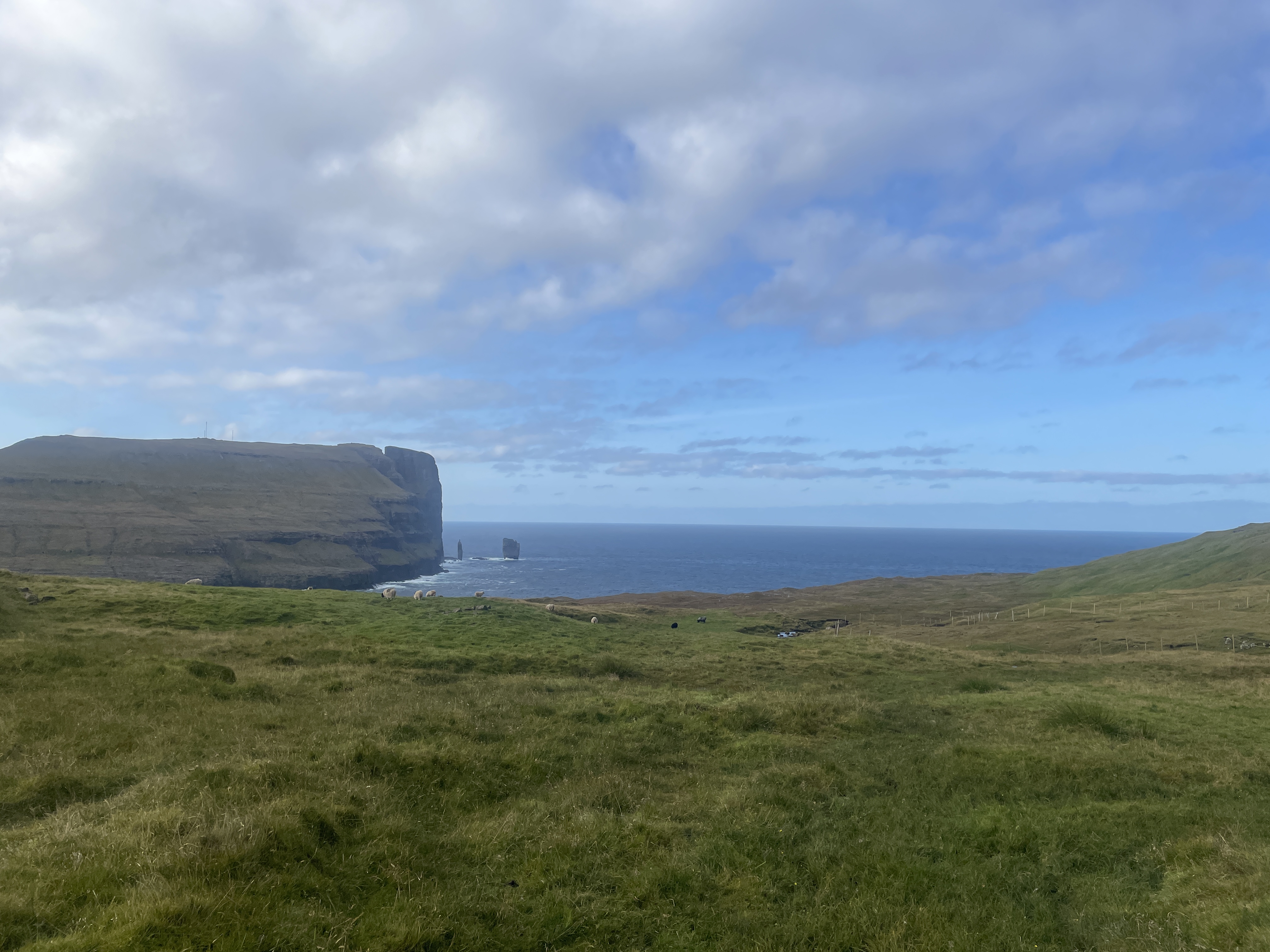
Sight 2: Risin and Kellingin. The giant and the hag, two stacks in the sea, often veiled in fog. Best view is from the road between Eiði and Gjógv, about halfway between the two villages.
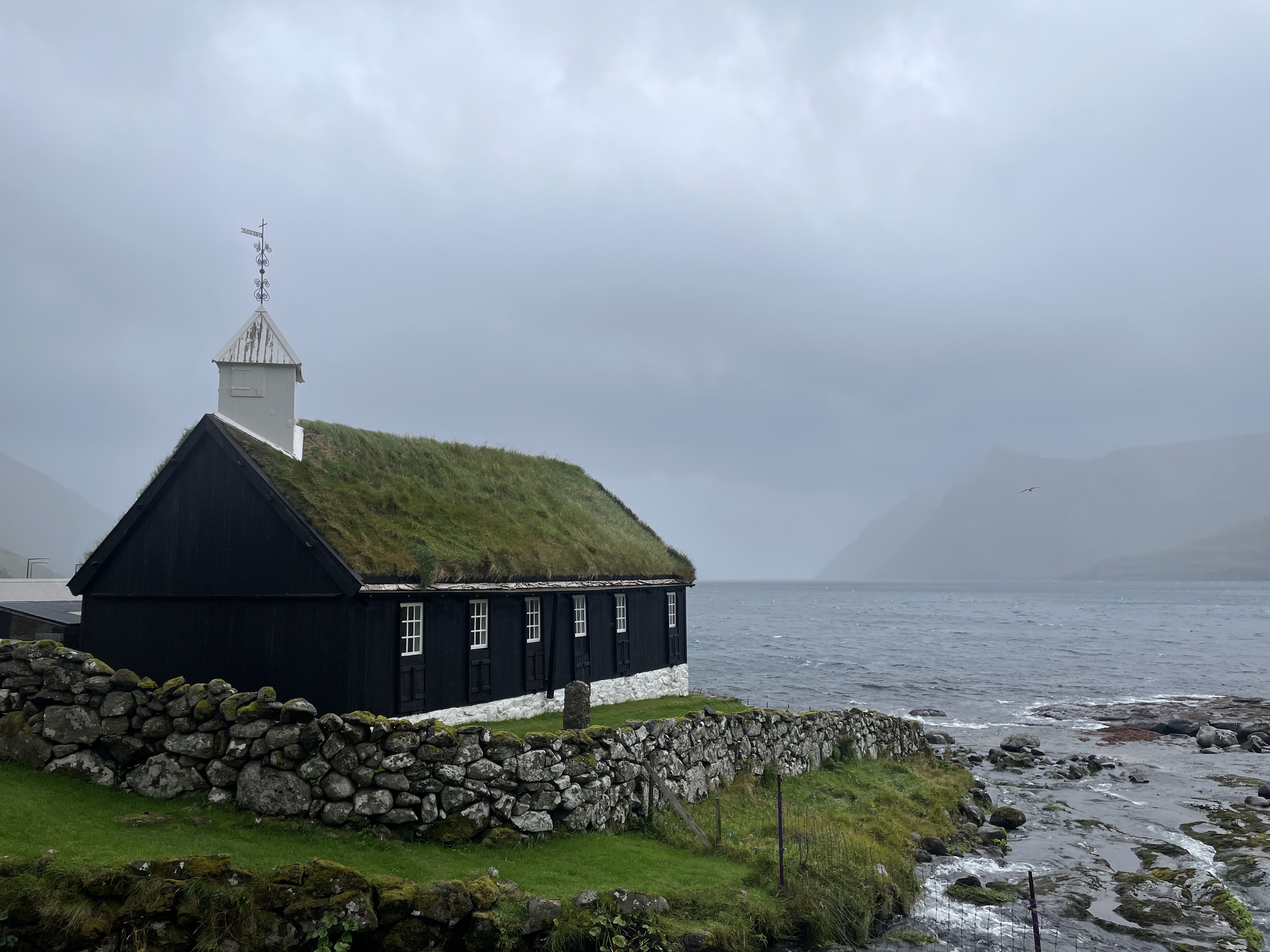
Sight 3: The church of Funningur. Remote and overlooking the ocean, this grasscovered church is insta-famous for a reason.
Further options: A visit to Kalsoy with the car ferry and a ferry trip with the post boat to the northern islands was on my wish list. Due to the sea being extra rough from the storm I didn’t do those two trips, since I tend to get very seasick.
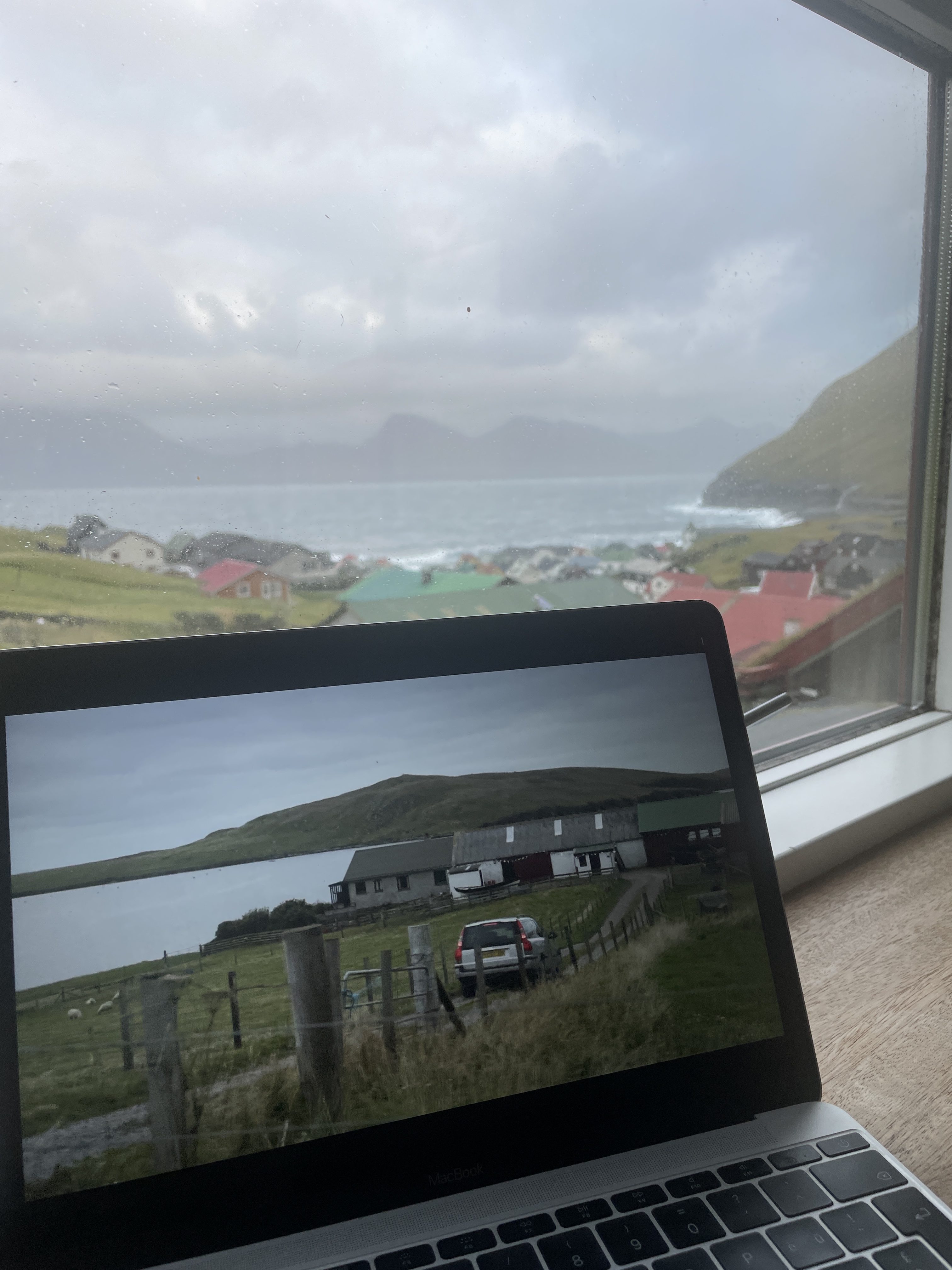
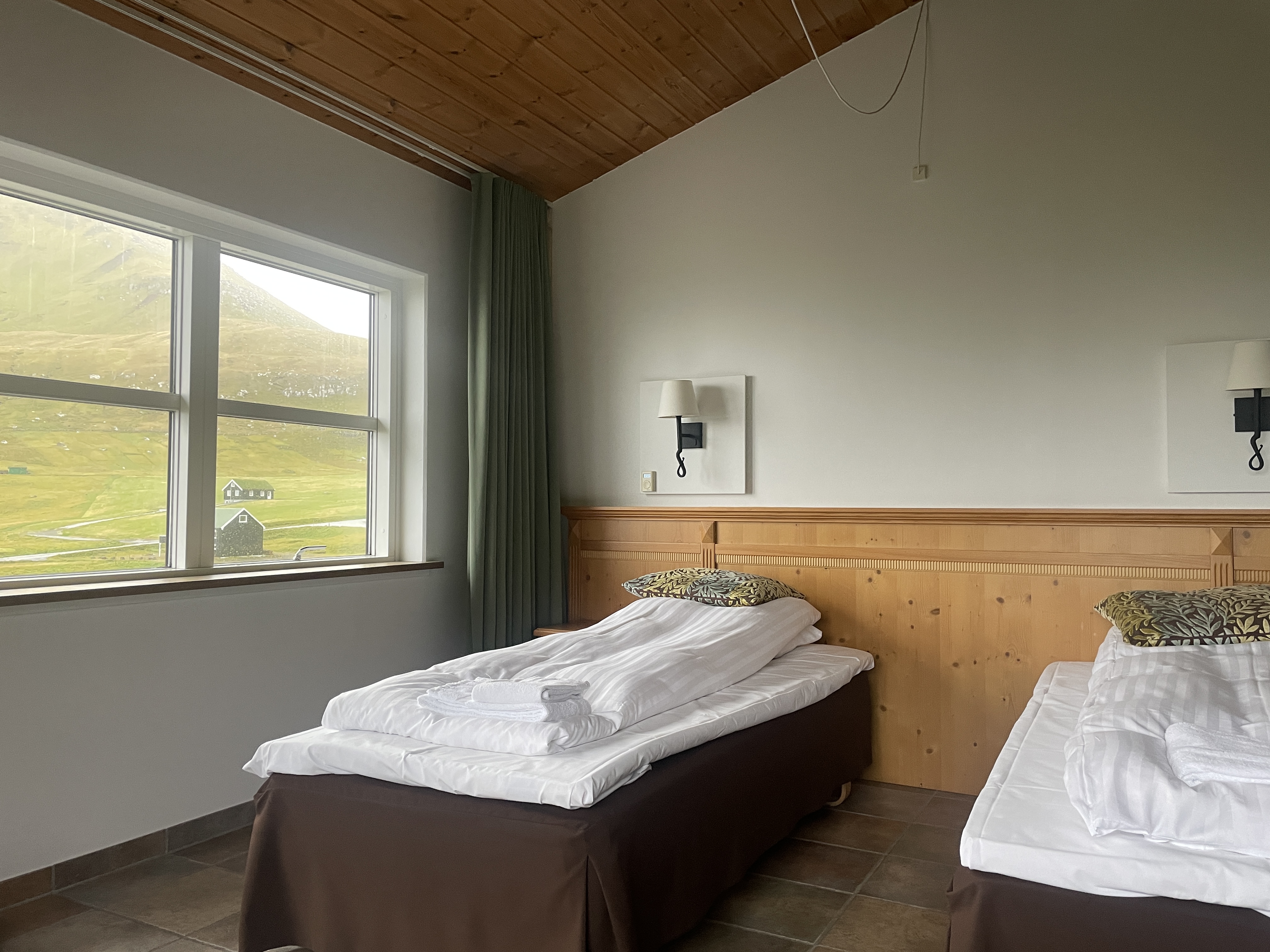
Stay: Gjáargarður Guesthouse in Gjógv is the only option if you want to stay in a hotel not an Airbnb. The location is unbeatable and a great base to explore the island. The guesthouse itself could do with a bit of TLC, generally updating the very dated furniture/facilities a bit, and also in cleaning rooms a bit more thoroughly. I very much recommend getting a room with a view, even if it is much more expensive. I upgraded to the upper Annex front corner room and hat amazing views over the bay. Perfect to spend a morning reading and watching the waves while waiting for the weather to clear up.
Day 7-8: Streymoy
The last two days I spent based in Tórshavn, the tiny capital of Faroe. I loved the more bustling atmosphere after the remoteness of the last 6 days. Plus the island Streymoy where Tórshavn lies offers a lot of sights in itself, so I spent another two days exploring.
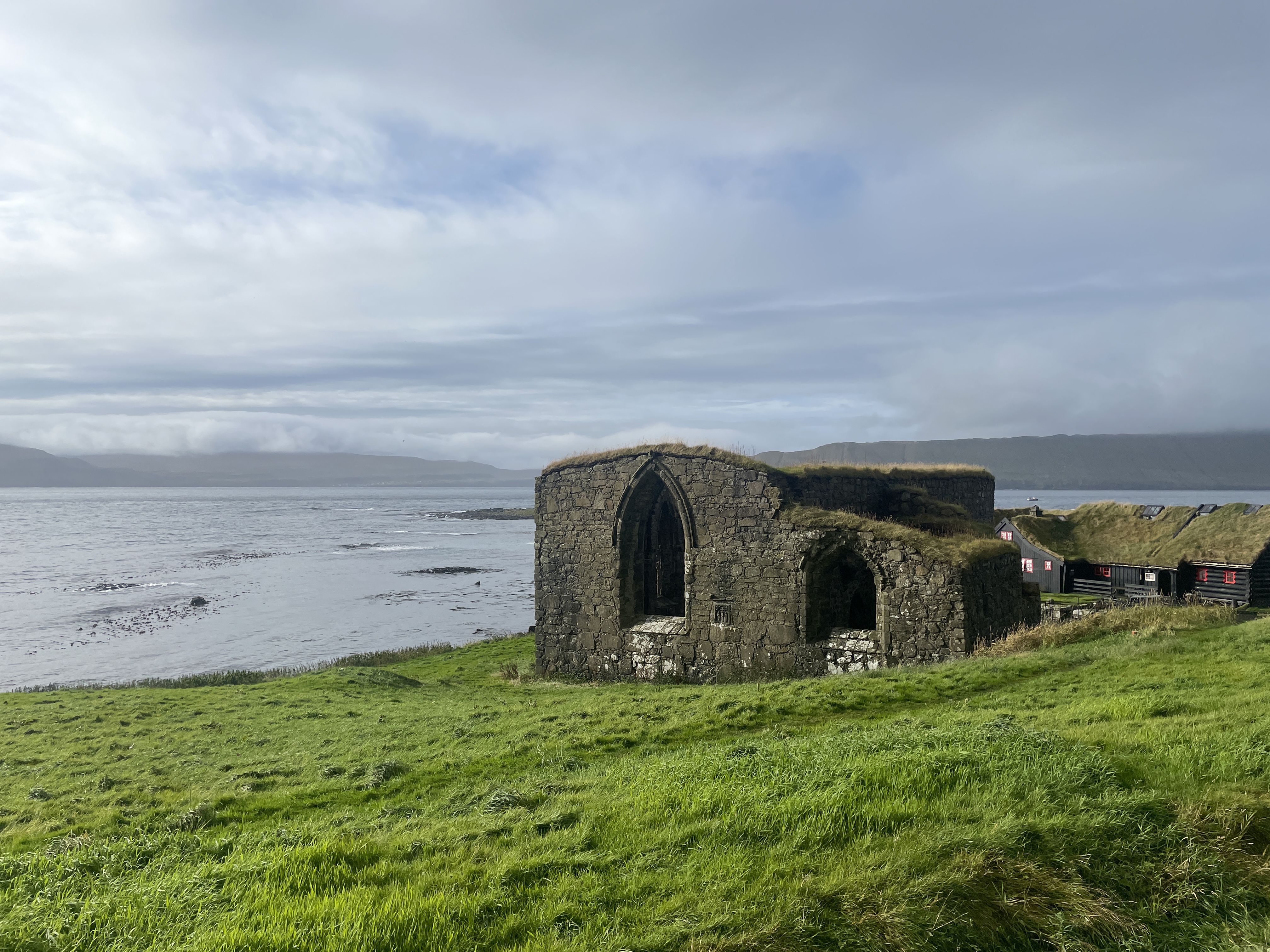
Hike 1: Tórshavn – Kirkjubøur: a 1.5-hour-hike (one way) that takes you from the capital to the tiny village of Kirkjubøur, with its solemn ruins of the Magnus Cathedral, its grass-covered houses and beautiful views of neighbouring islands Koltur and Hestur.
Hike 2: Tjørnuvík – Saksun. A 2-hour-hike (one way) takes you through some remote territory and over a hill to Saksun, providing beautiful views along the way. While the path is not difficult as such, I would not recommend doing it during rain, as it gets quite slippery.
Sight 1: Tinganes. Walk through the historic old town with its picturesque red buildings right above the harbour of Torshavn.
Sight 2: Kirkjubøur. Village that used to be the spiritual and cultural center of the Faroe Islands. Find solemn ruins of the Magnus Cathedral, grass-covered houses and beautiful views of neighbouring islands Koltur and Hestur
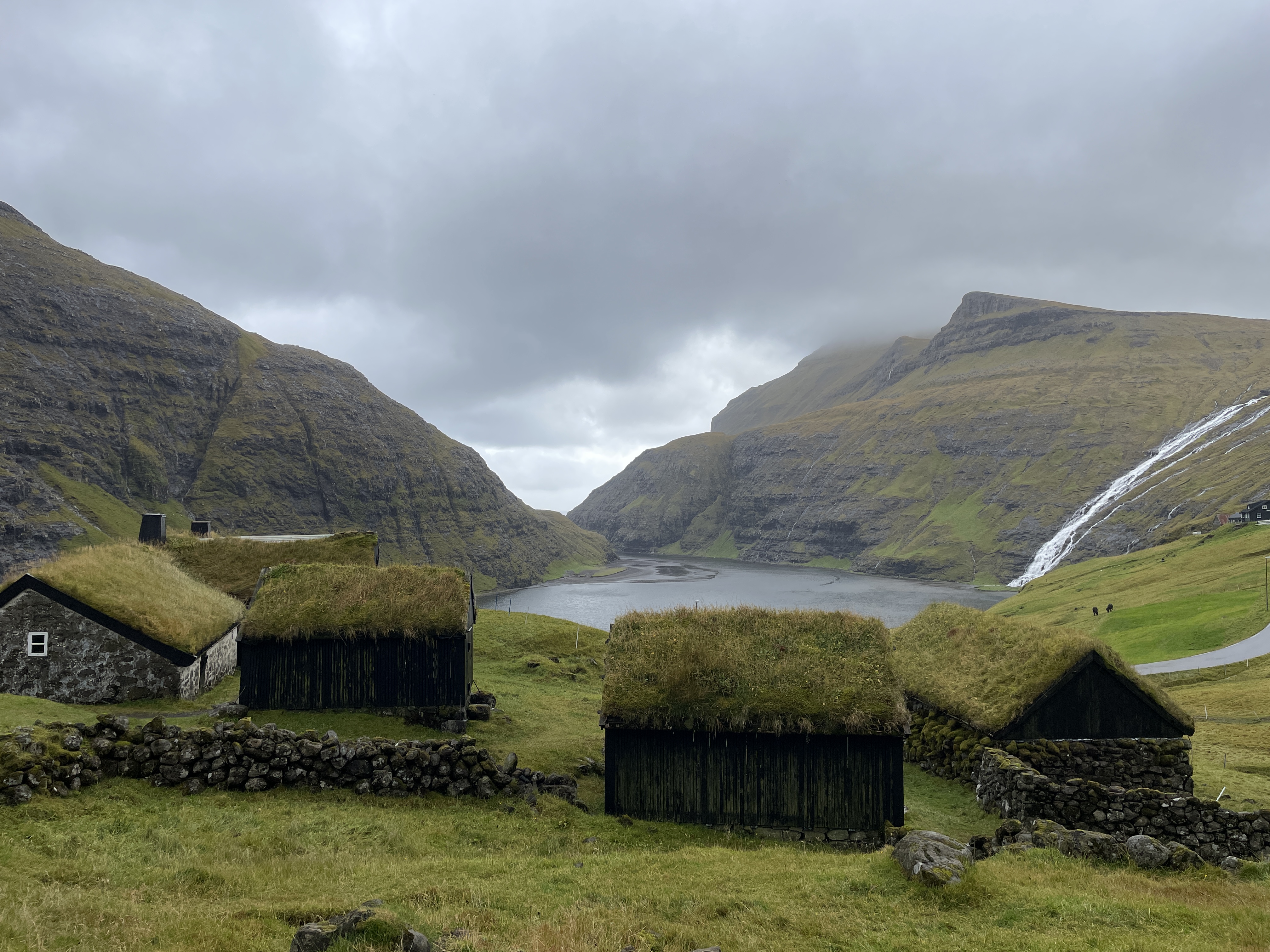
Sight 3: Saksun: A beautiful fjord, imposing mountains surrounding it, and an assortement of grass-covered houses makes this area a well-known foto-spot, and rightly so. Further perk: The drive there is spectacular.
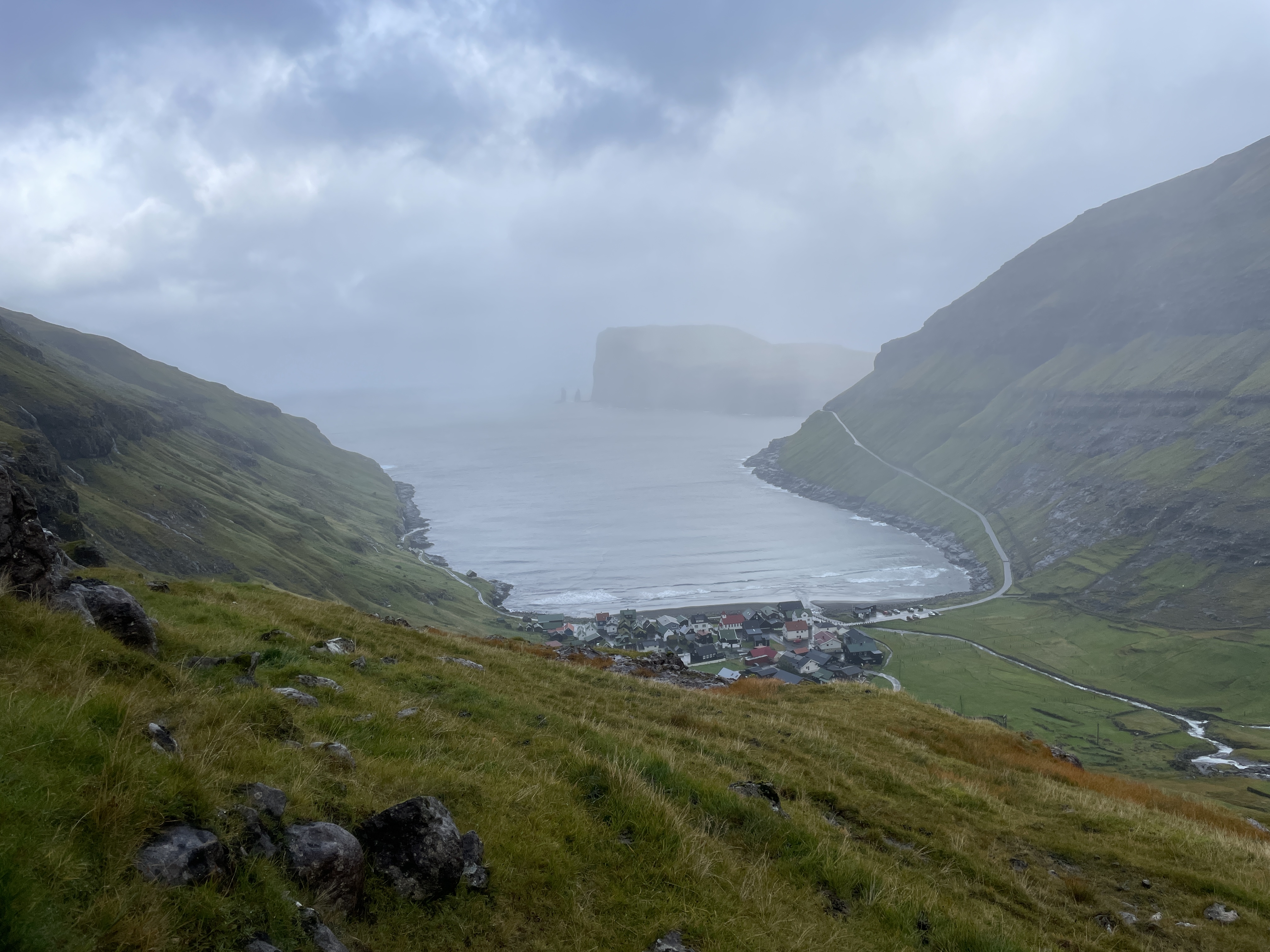
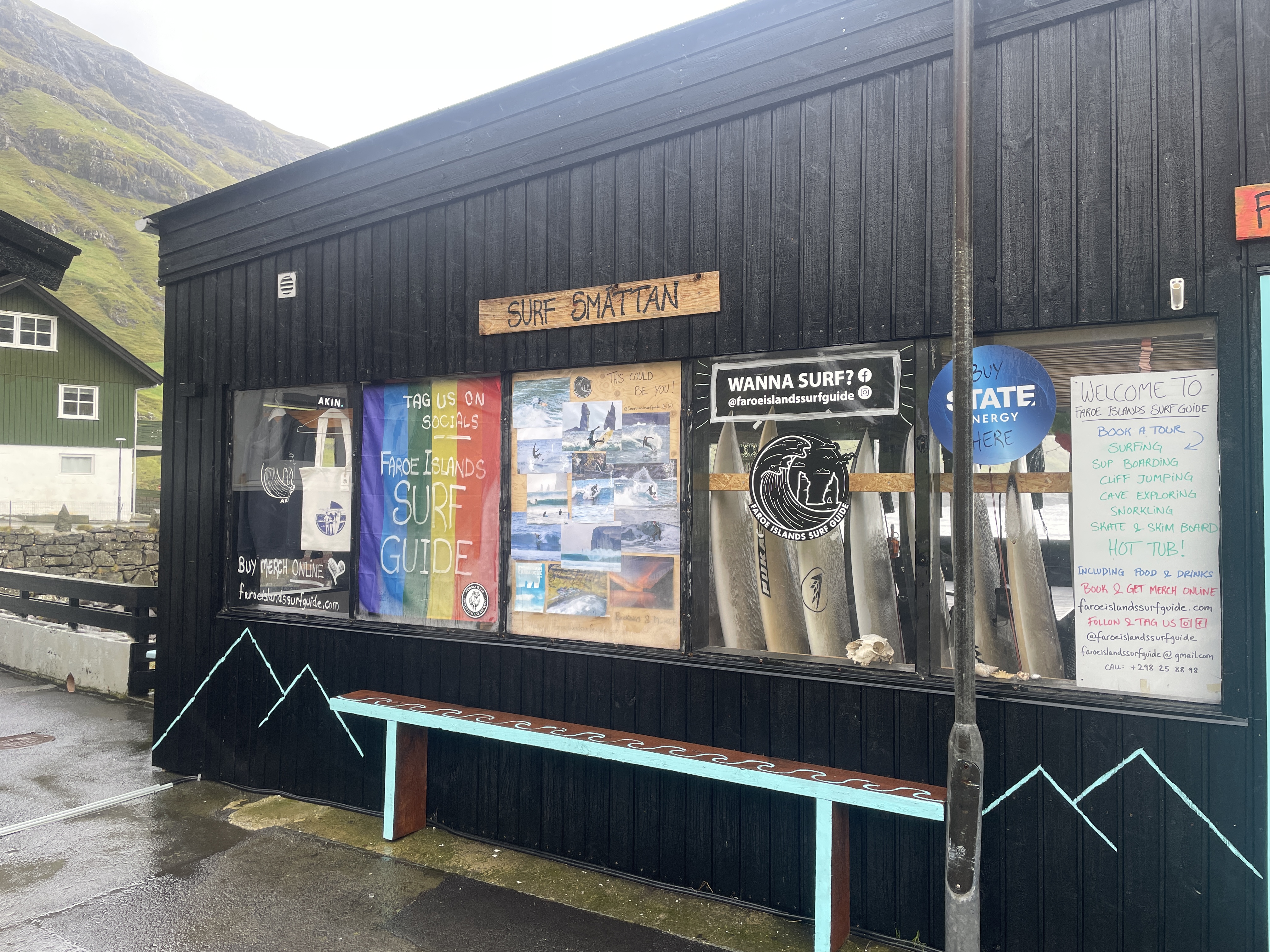
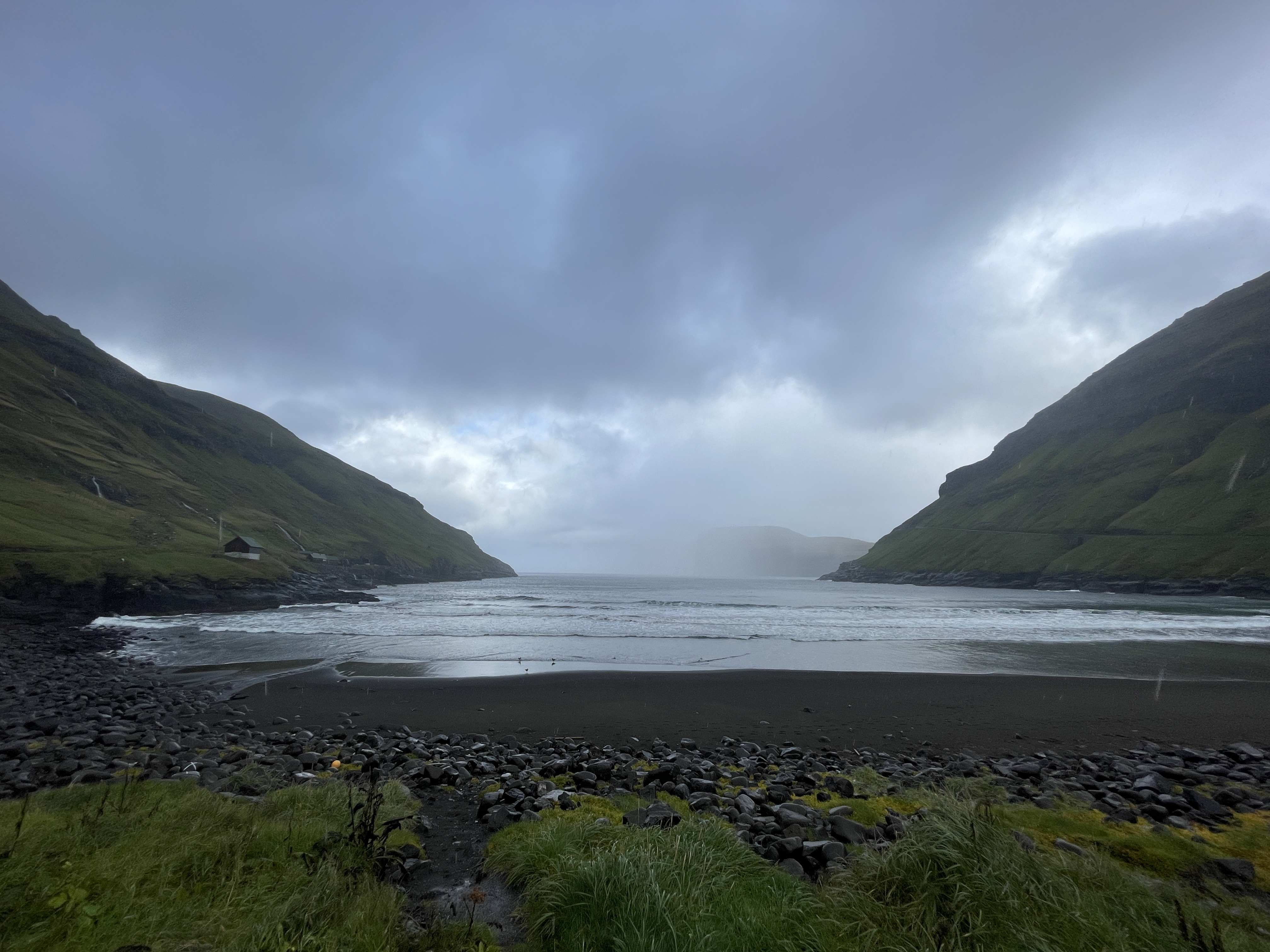
Sight 4: Tjørnuvík: A tiny, cute village that is famous for its beach and the waves it gets, attracting surfers from all over the world. The drive to this northerly outpost on Streymoy is in itself an adventure, the narrow road winding its way along the steep hill over the ocean.
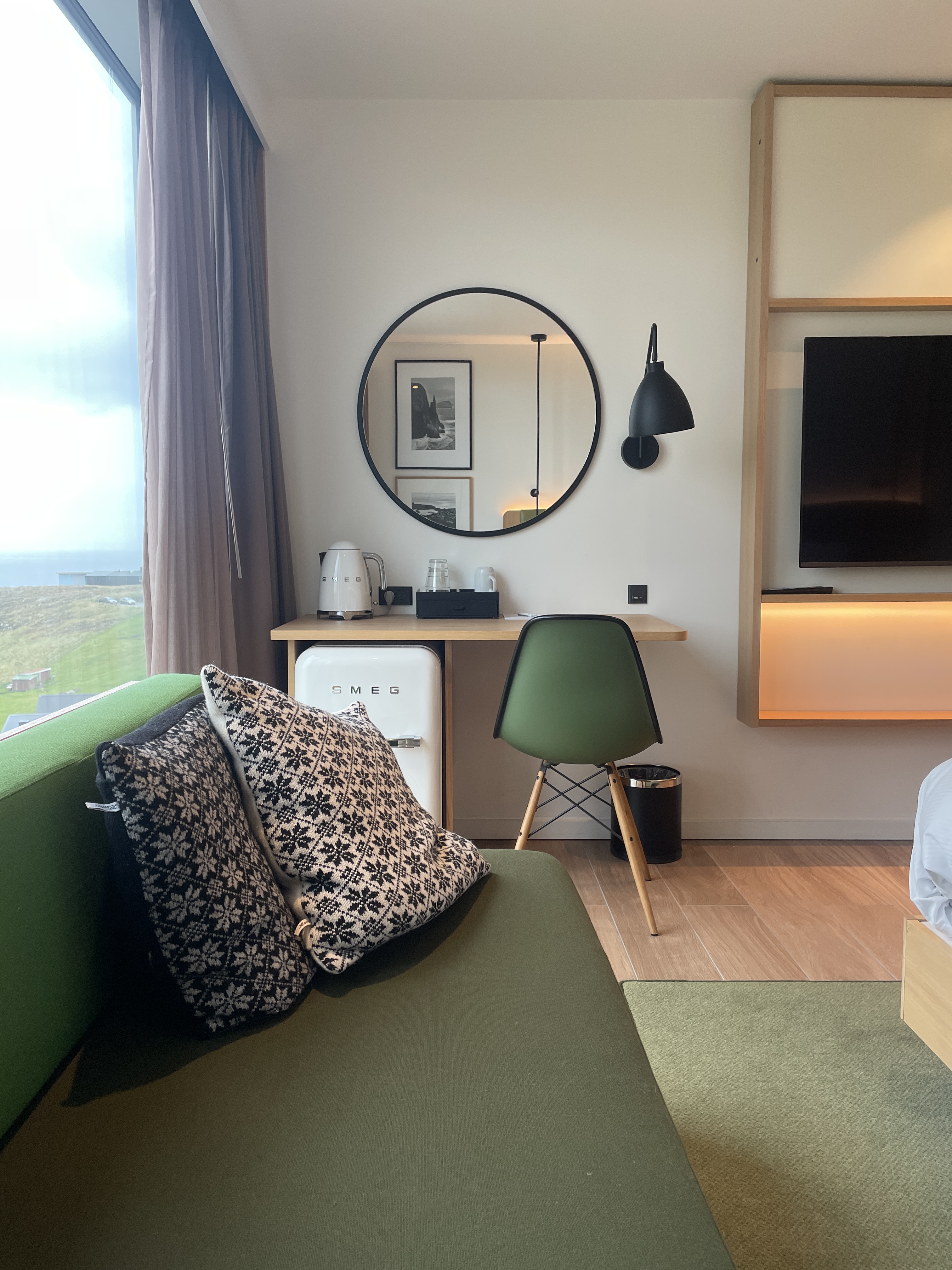
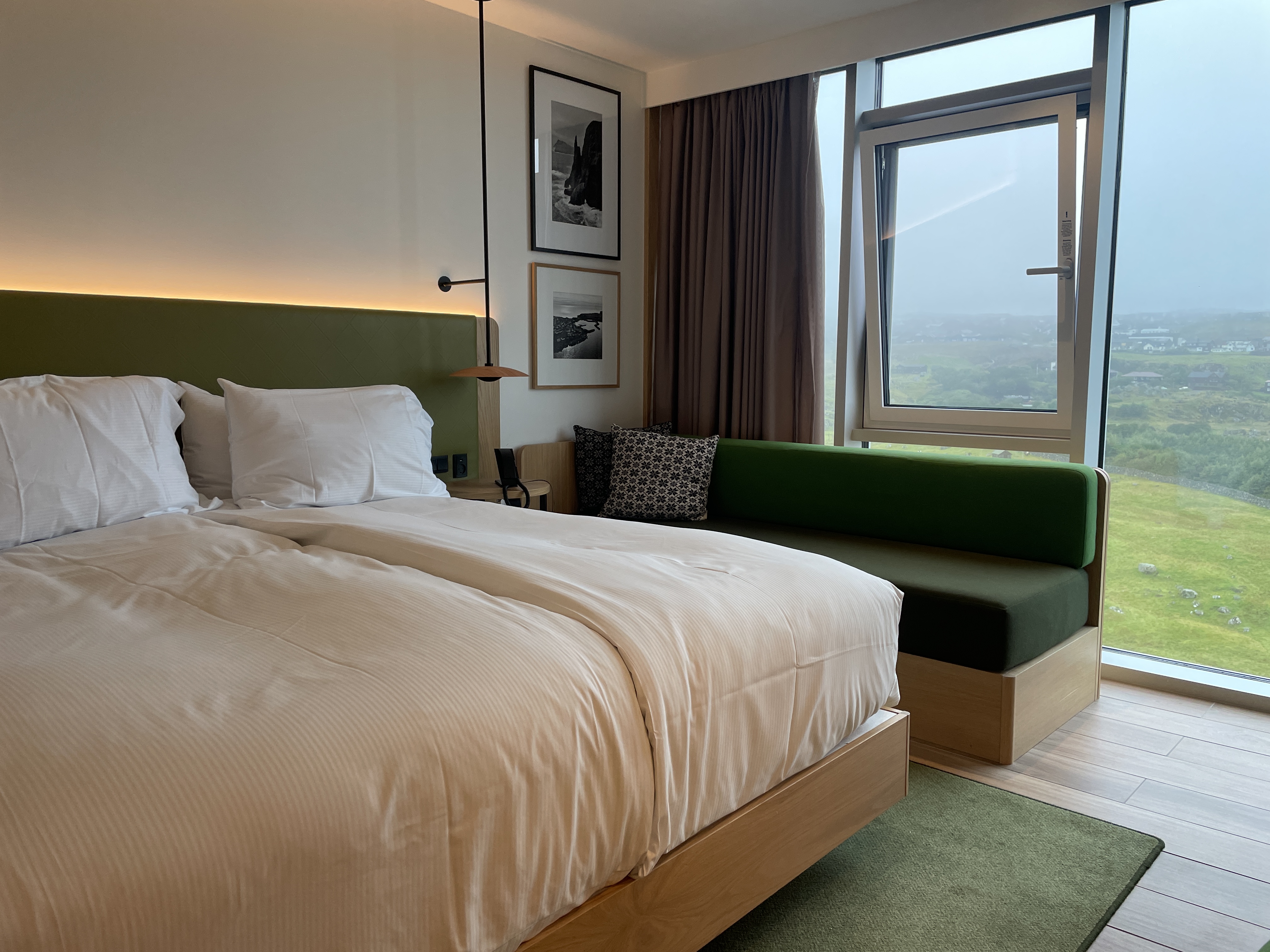
Stay: I stayed at the Hilton Garden Inn, that opened only a year ago. And what a wonderful treat it was. After the rather basic accommodation the previous nights, I enjoyed the high standard of the Hilton very much and as much as I would always like to support independent local business, here you could see, that this brand knows absolutely what its doing. Everything was spotless, everything was top-notch from the stylish Smeg fridge and watercooker in the room, to the amenities like gym (yay, yoga mats!), hot tub and sauna, to the delicious breakfast in the casually cosy dining room. So in this case I definitely recommend staying at a global brand hotel.
(Full disclosure: I approached the hotel if a co-operation is possible and got to stay at a discounted rate)
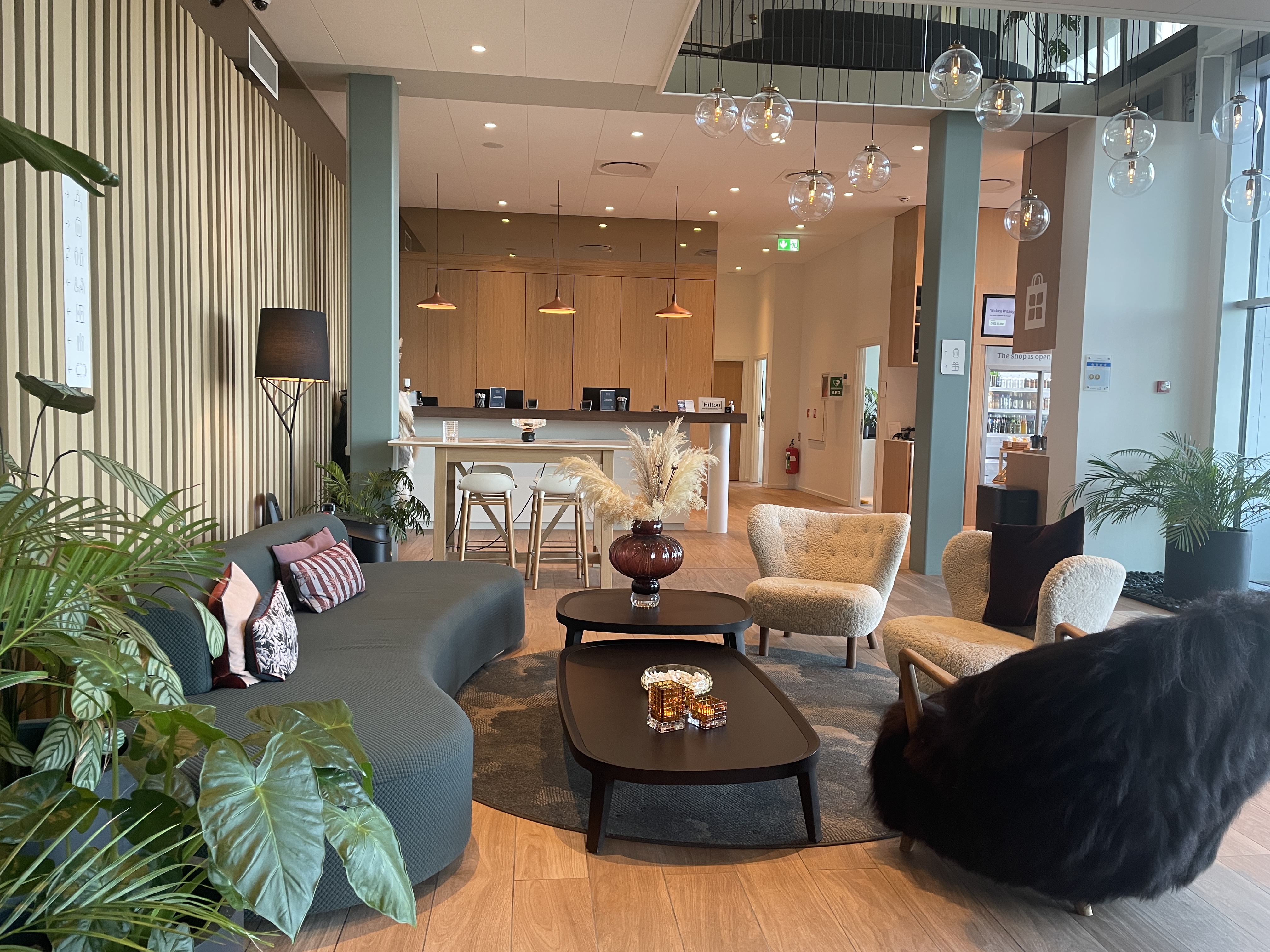
Eat 1: Brell Café: Very cosy, very good cafe. The perfect place to hang out after a day out.
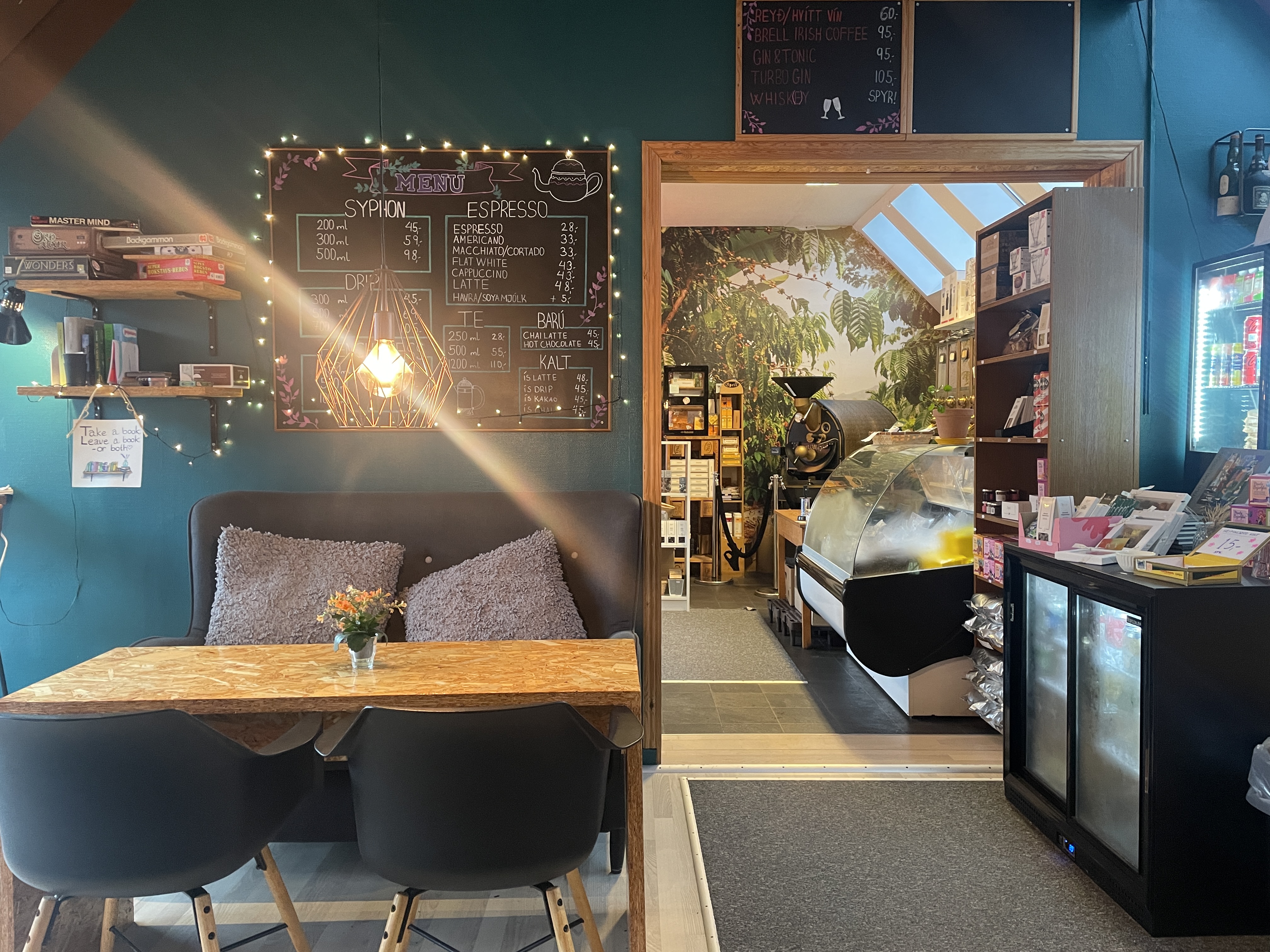
Eat 2: Paname Café: Same as above, but with a little more food options, and an adjacent book store.
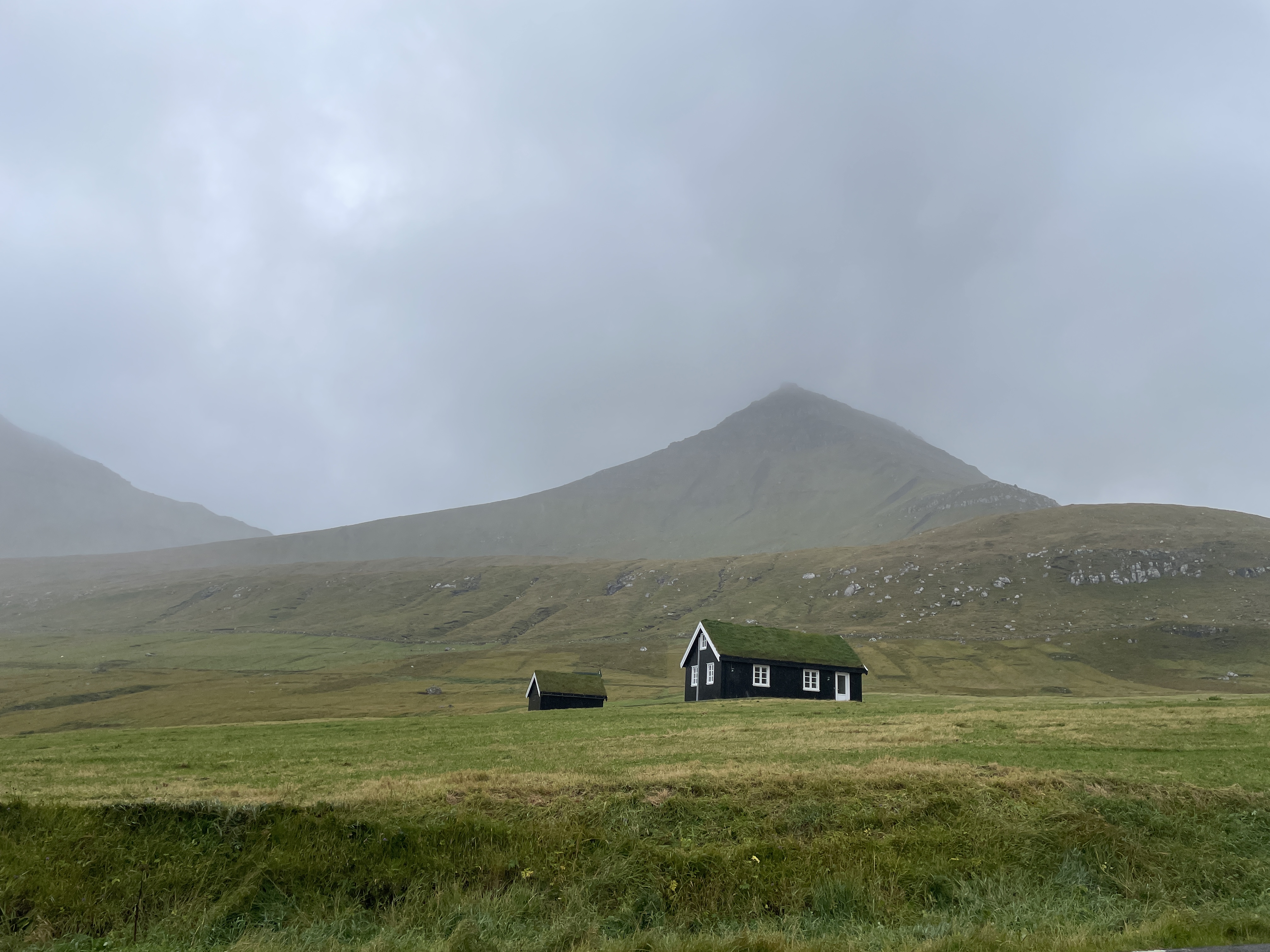
And that’s a wrap. Eight days in the north well spent. Got rained on a couple of times but still enjoyed way more sunny hours than expected and got all misty fall moods I was looking for.
As always: Let me know if you have any questions and feel free to add your favourite spots on Faroe Islands in the comments.
 twigs and feathers